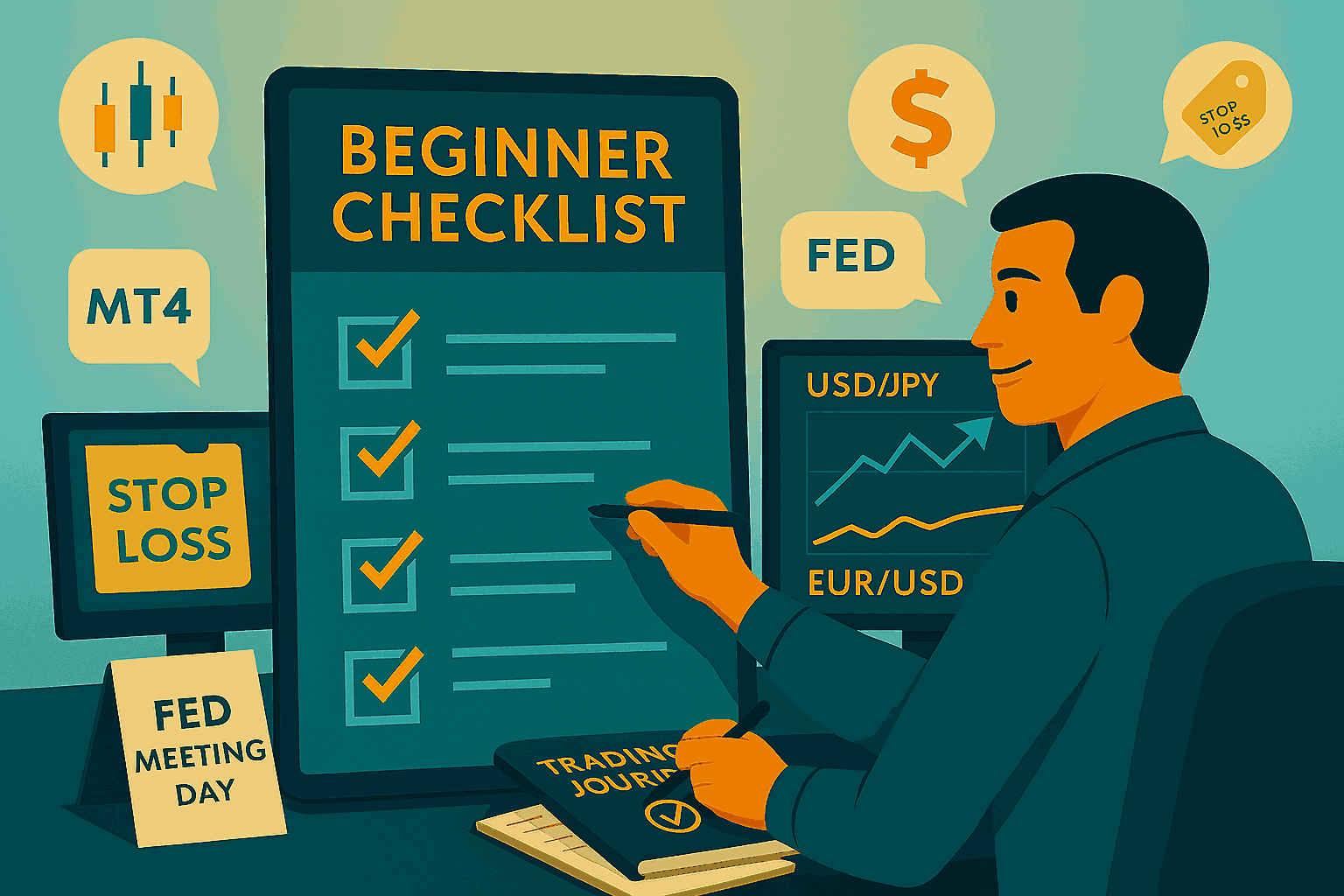
Placing Your First Trade in the forex market can be exciting, fast-moving, and full of opportunities but for beginners, it can also feel overwhelming. Many new traders rush into it without proper preparation, only to learn costly lessons. A structured checklist ensures you’re properly equipped, both technically and mentally, before you risk a single dollar.
Here’s a beginner-friendly checklist that covers the essentials you need to tick off before placing your first trade with confidence.
1. Choose a Regulated Broker
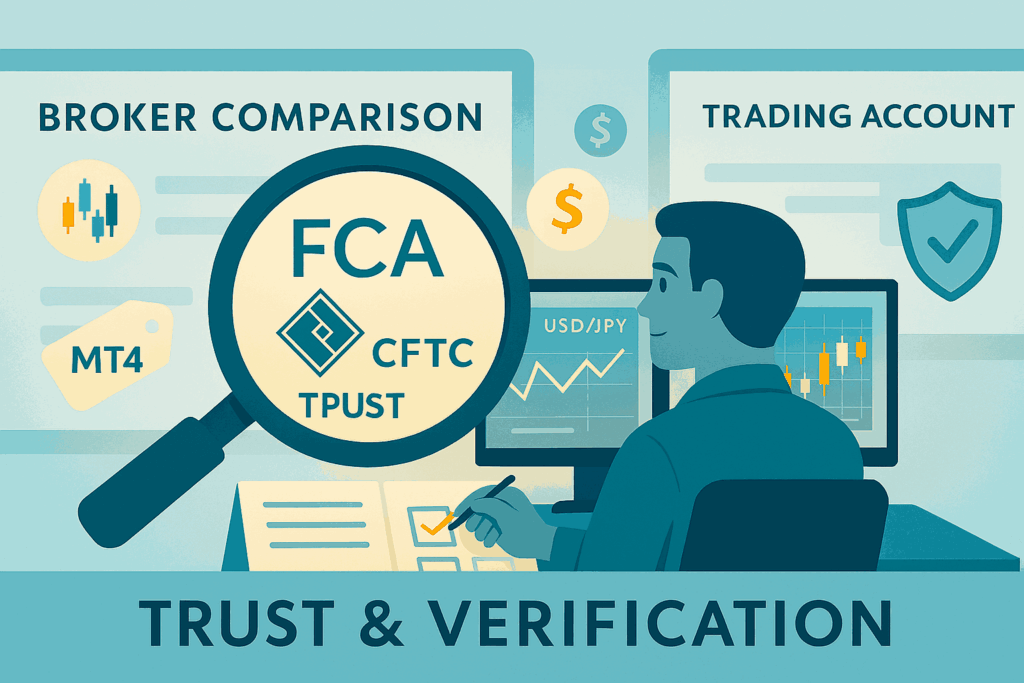
Your broker is the gateway to the forex market. Picking the wrong one can put your capital at unnecessary risk.
- Check Regulation: Look for brokers regulated by authorities like the FCA (UK), ASIC (Australia), or CFTC (US).
- Account Types: Decide whether you want a standard account, ECN account, or a micro account for small positions.
- Spreads & Fees: Compare transaction costs, since tight spreads and low commissions directly impact profitability.
This first step ensures that you’re trading in a secure, transparent environment.
2. Open and Fund a Trading Account
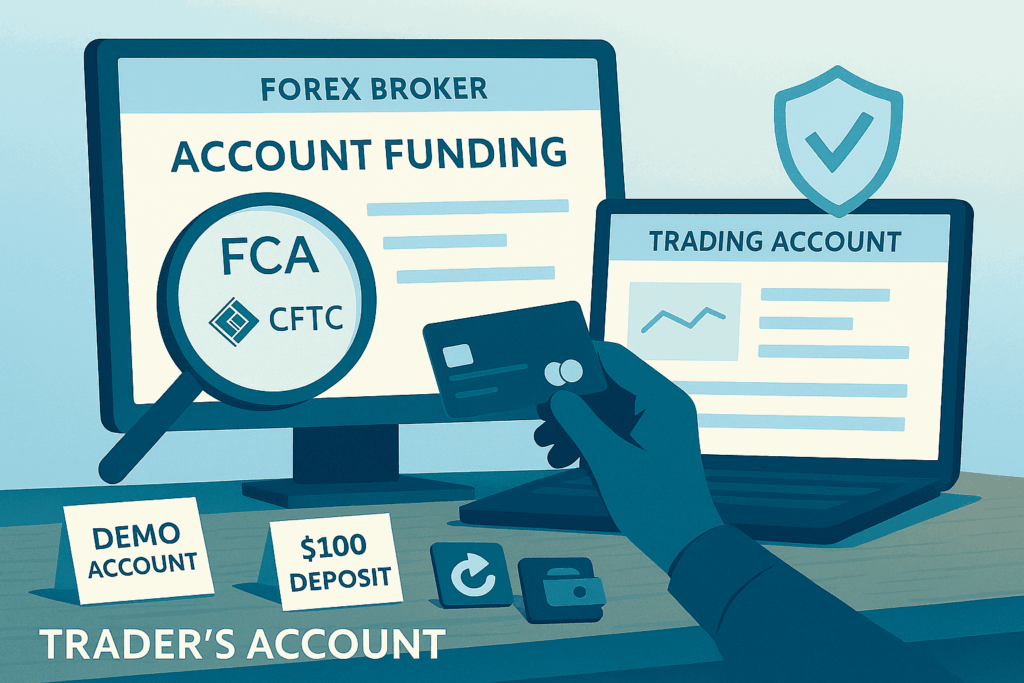
Once you’ve chosen a broker, you’ll need to open an account and make your first deposit.
- Demo First: Before funding, always practice on a demo account to learn the platform.
- Minimum Deposit: Start with an amount you can afford to lose. Many brokers allow accounts with as little as $100.
- Deposit Methods: Make sure your broker supports secure and convenient funding/withdrawal methods.
Treat your first account as tuition. The goal is to learn, not get rich overnight.
3. Set Up a Trading Platform
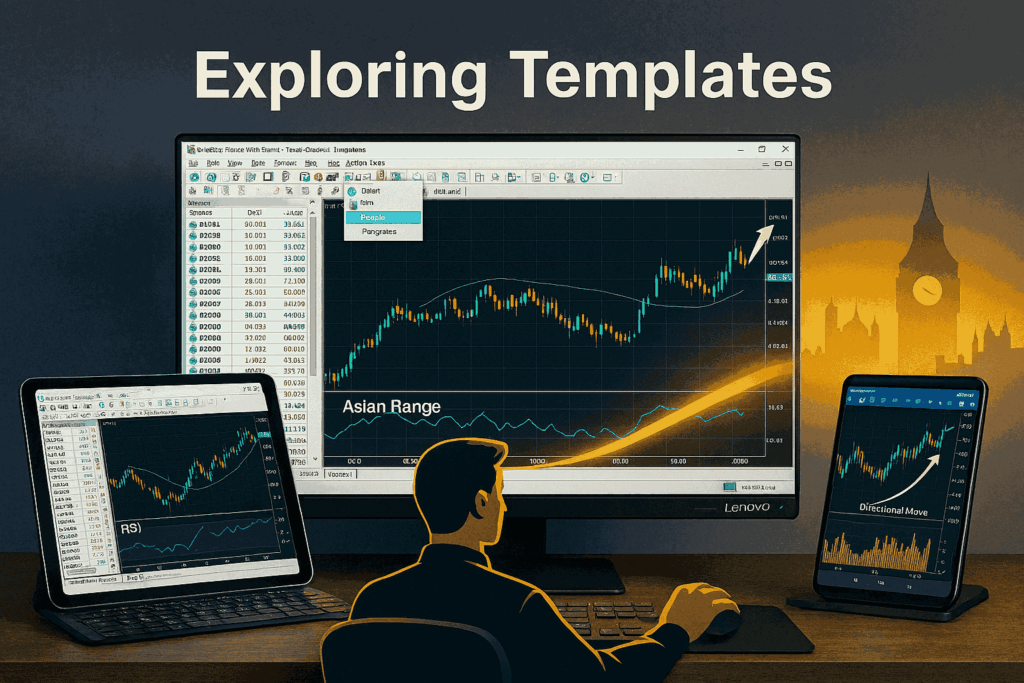
Most traders use MetaTrader 4 (MT4) or MetaTrader 5 (MT5). These platforms allow you to analyze charts, place trades, and manage positions.
- Charts & Indicators: Familiarize yourself with basic tools like moving averages, RSI, and Fibonacci retracements.
- Mobile Trading: Install the app version for flexibility on the go.
- Customization: Learn how to set up templates and watchlists for your preferred currency pairs.
Comfort with your platform is non-negotiable you don’t want to struggle with buttons in the middle of a trade.
4. Learn Basic Market Fundamentals
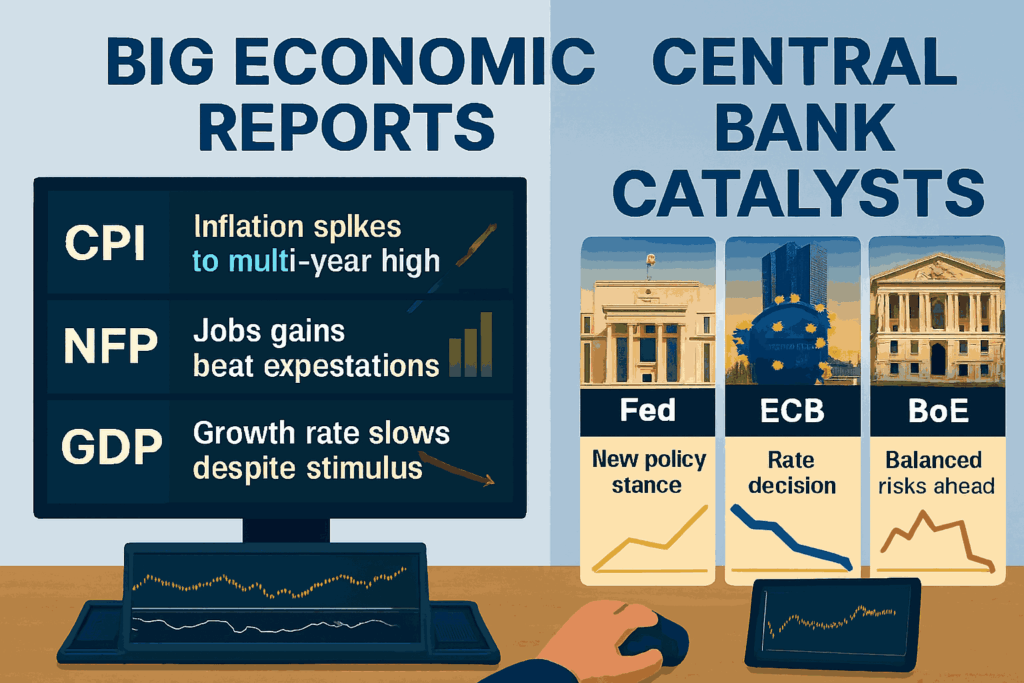
Before trading, you need a foundational understanding of what moves currencies.
- Economic Data: Reports like Nonfarm Payrolls, CPI, and GDP affect forex volatility.
- Central Banks: Policy decisions by the Federal Reserve, ECB, or BoE can dramatically shift exchange rates.
- Geopolitical Events: Elections, wars, and trade negotiations all play a role.
Even if you plan to be a technical trader, knowing the macro drivers keeps you ahead of surprises.
5. Develop a Trading Strategy
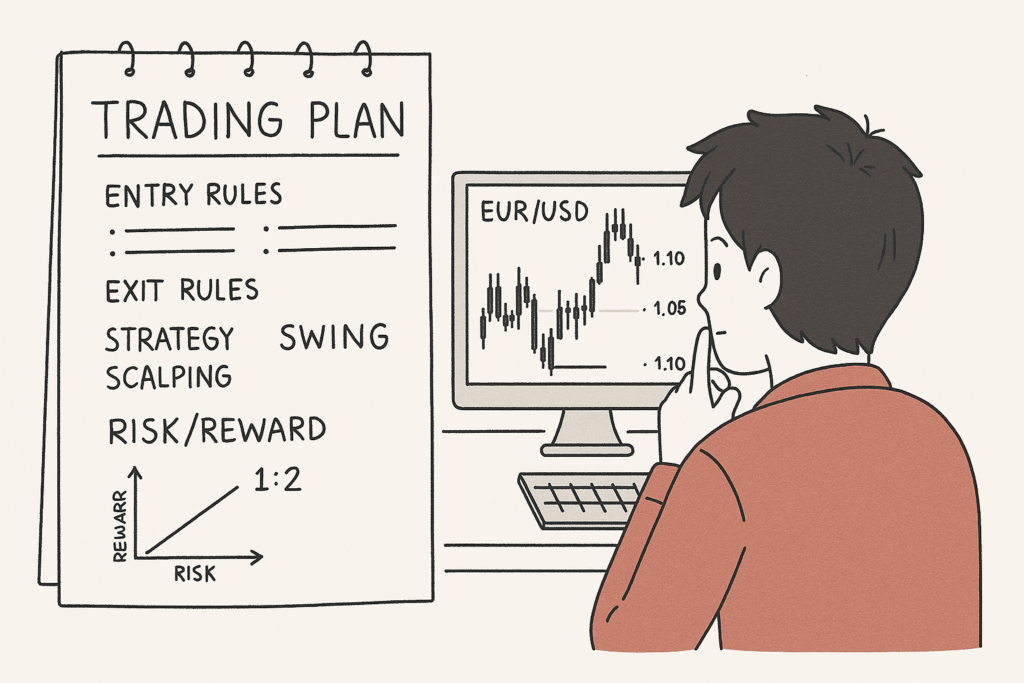
Jumping into the market without a plan is gambling. A strategy guides your actions and prevents emotional decision-making.
- Style Choice: Decide between scalping, day trading, swing trading, or position trading.
- Entry/Exit Rules: Clearly define what signals you’ll use to open and close trades.
- Risk/Reward Ratio: Aim for trades that risk less than you stand to gain (e.g., 1:2).
Your first strategy doesn’t need to be perfect, but it should be structured and repeatable.
6. Practice Risk Management
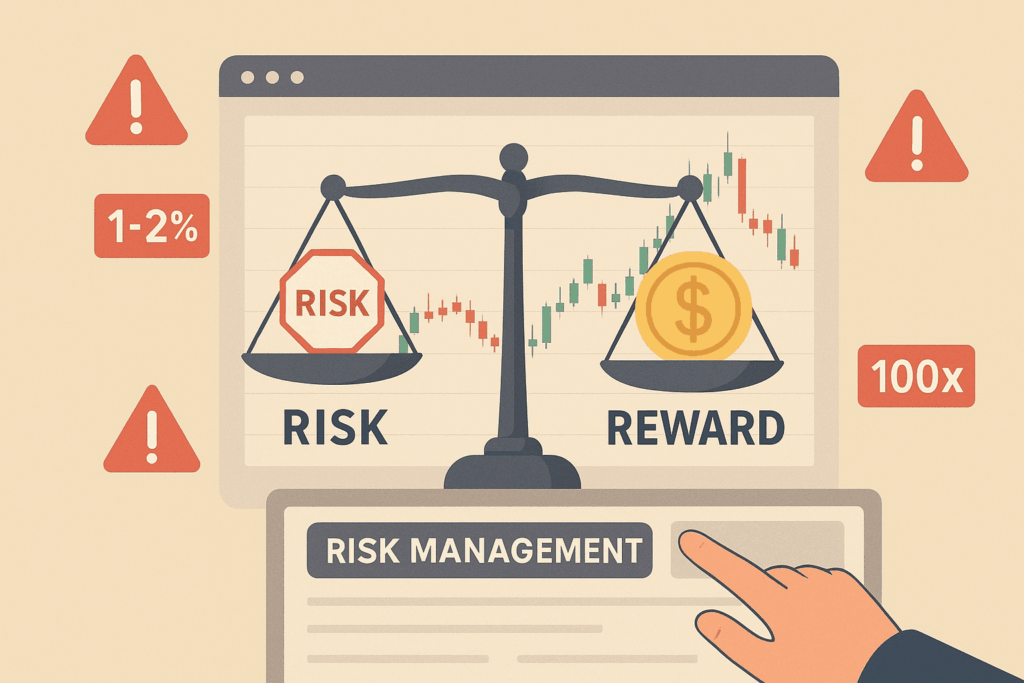
Many beginners blow their accounts not because of bad strategies, but because of bad risk habits.
- Never Risk More Than 1–2% Per Trade: This protects your capital over the long run.
- Use Stop-Loss Orders: Every trade should have a clear exit point if it goes wrong.
- Leverage Caution: High leverage magnifies both gains and losses use it carefully.
The goal isn’t just making profits; it’s staying in the game long enough to learn and improve.
7. Prepare Mentally
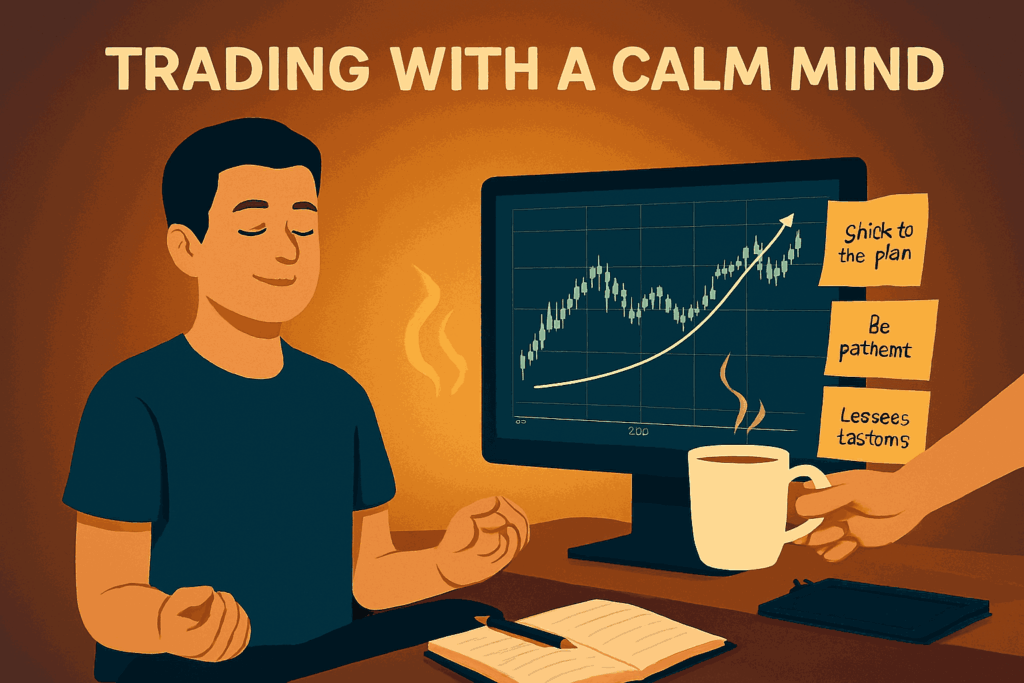
Trading psychology is as important as technical skills.
- Avoid Impulse Trades: Stick to your plan, even if the market tempts you otherwise.
- Be Patient: Forex success is about consistency, not instant riches.
- Accept Losses: They’re part of the game. Focus on discipline and process, not perfection.
Final Thoughts
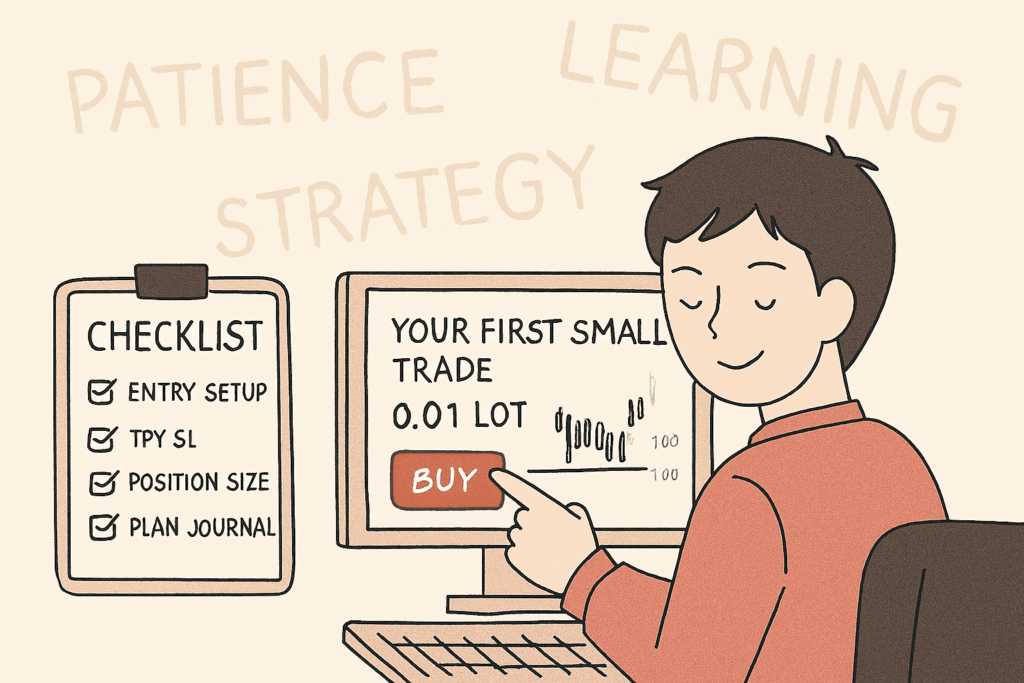
Placing your first forex trade is exciting, but preparation is key. By following this beginner’s checklist, you’ll build a strong foundation choosing the right broker, practicing on demo, understanding fundamentals, setting strategies, and managing risk.
Remember: your first trades are not about making money they’re about building habits that protect your capital and set you up for long-term success. Treat the checklist seriously, and you’ll enter the forex market confident and prepared.