
In an era where multiple income streams have become increasingly common, many individuals are looking at forex trading as a way to supplement their primary earnings. The appeal is understandable: forex markets are open 24 hours a day, provide high liquidity, and offer the potential for significant profit opportunities. However, the key question remains can forex trading realistically become a second income source, or is it simply too risky for most people?
The Allure of Forex as a Side Income
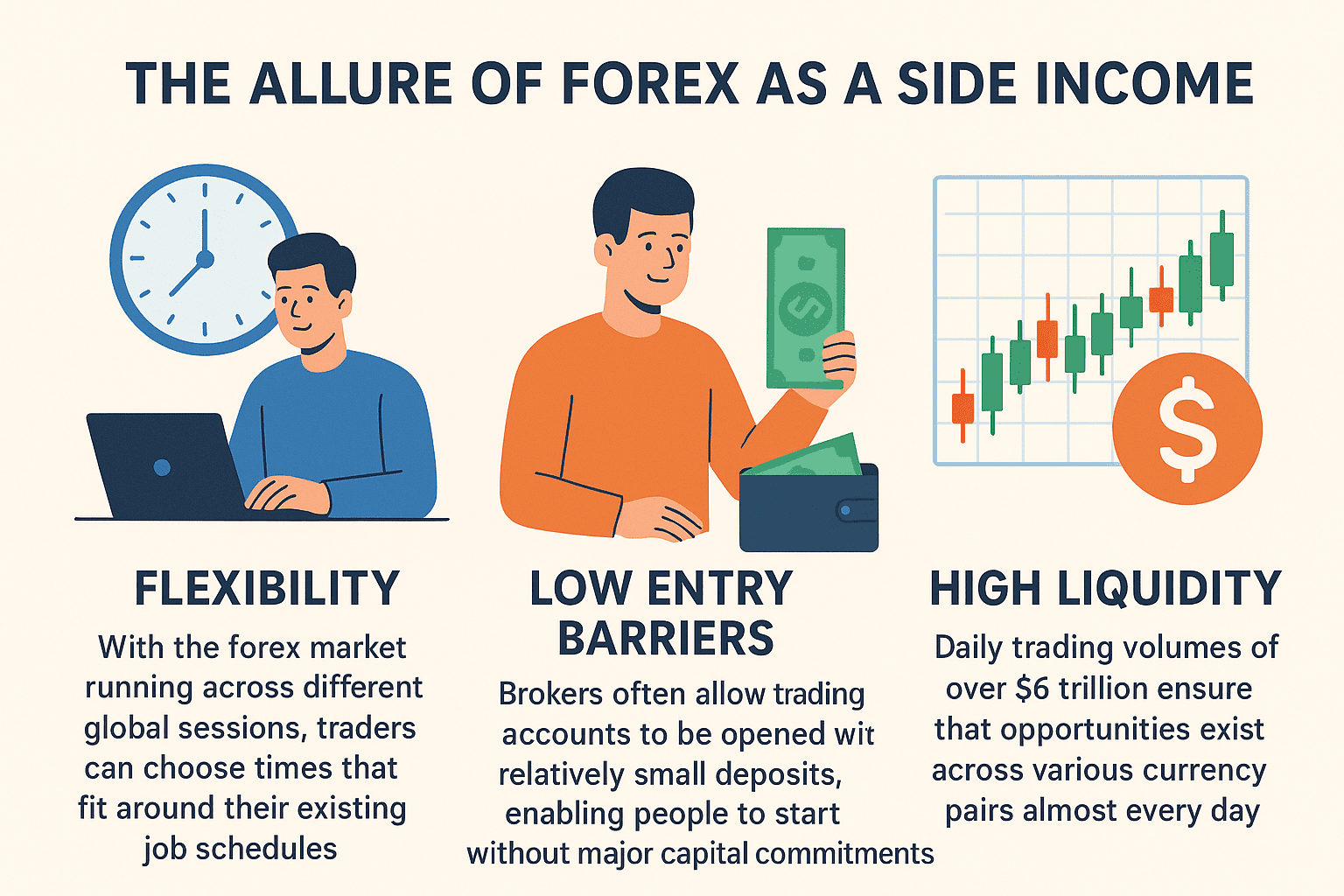
Forex trading holds several unique advantages that make it attractive for part-time or secondary income seekers:
- Flexibility: With the forex market running across different global sessions, traders can choose times that fit around their existing job schedules.
- Low Entry Barriers: Brokers often allow trading accounts to be opened with relatively small deposits, enabling people to start without major capital commitments.
- High Liquidity: Daily trading volumes of over $6 trillion ensure that opportunities exist across various currency pairs almost every day.
These factors make forex appealing compared to side hustles like freelancing or small businesses, which may demand fixed hours or upfront investments.
The Reality: Risks and Challenges
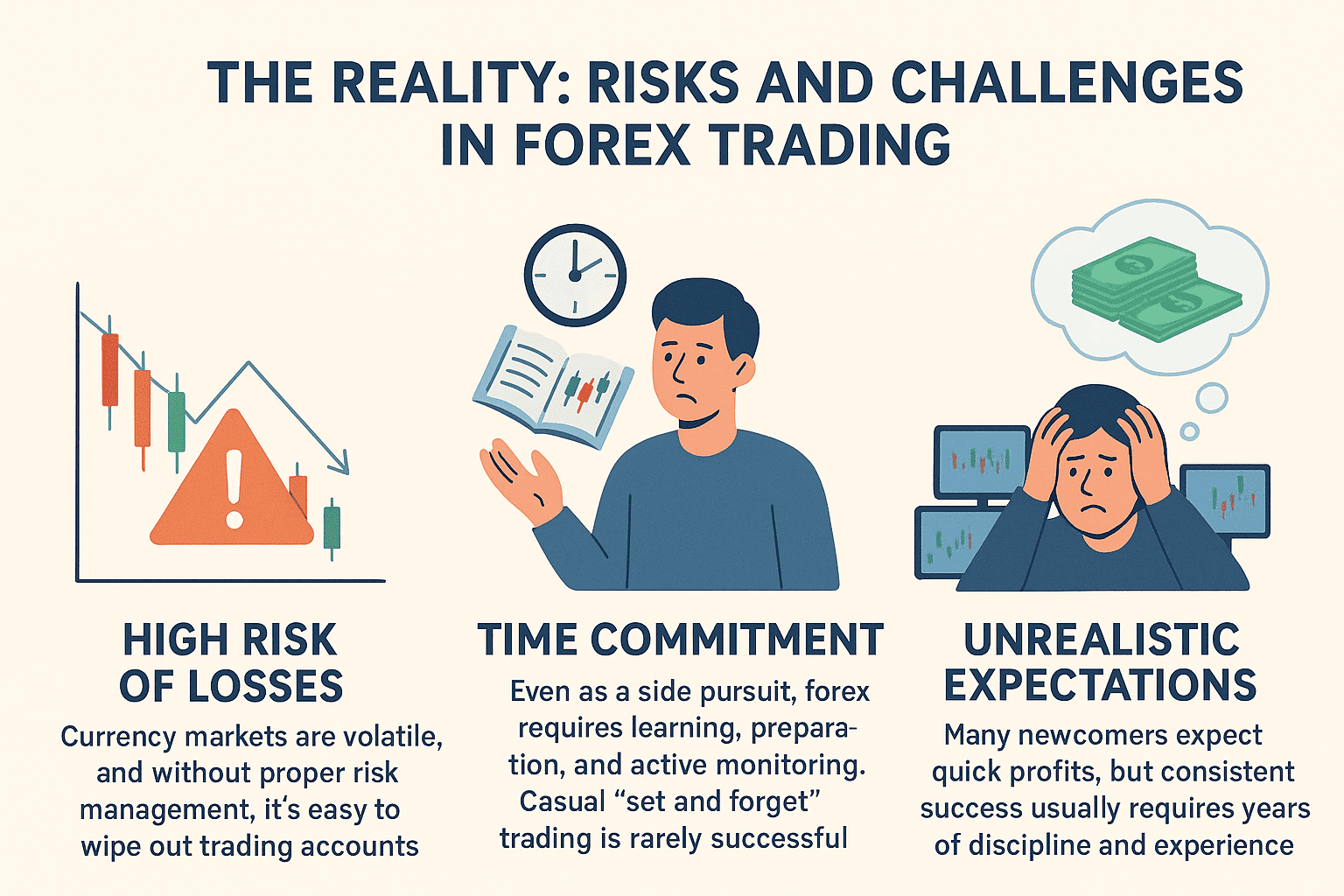
While the allure is strong, forex trading as a second income comes with substantial challenges:
- High Risk of Losses: Currency markets are volatile, and without proper risk management, it’s easy to wipe out trading accounts.
- Time Commitment: Even as a side pursuit, forex requires learning, preparation, and active monitoring. Casual “set and forget” trading is rarely successful.
- Emotional Pressure: The combination of a full-time job and managing trades can lead to fatigue, stress, and emotional decision-making, which often hurt trading outcomes.
- Unrealistic Expectations: Many newcomers expect quick profits, but consistent success usually requires years of discipline and experience.
These realities highlight why many fail to generate a steady second income from forex trading.
Building a Realistic Second Income Approach
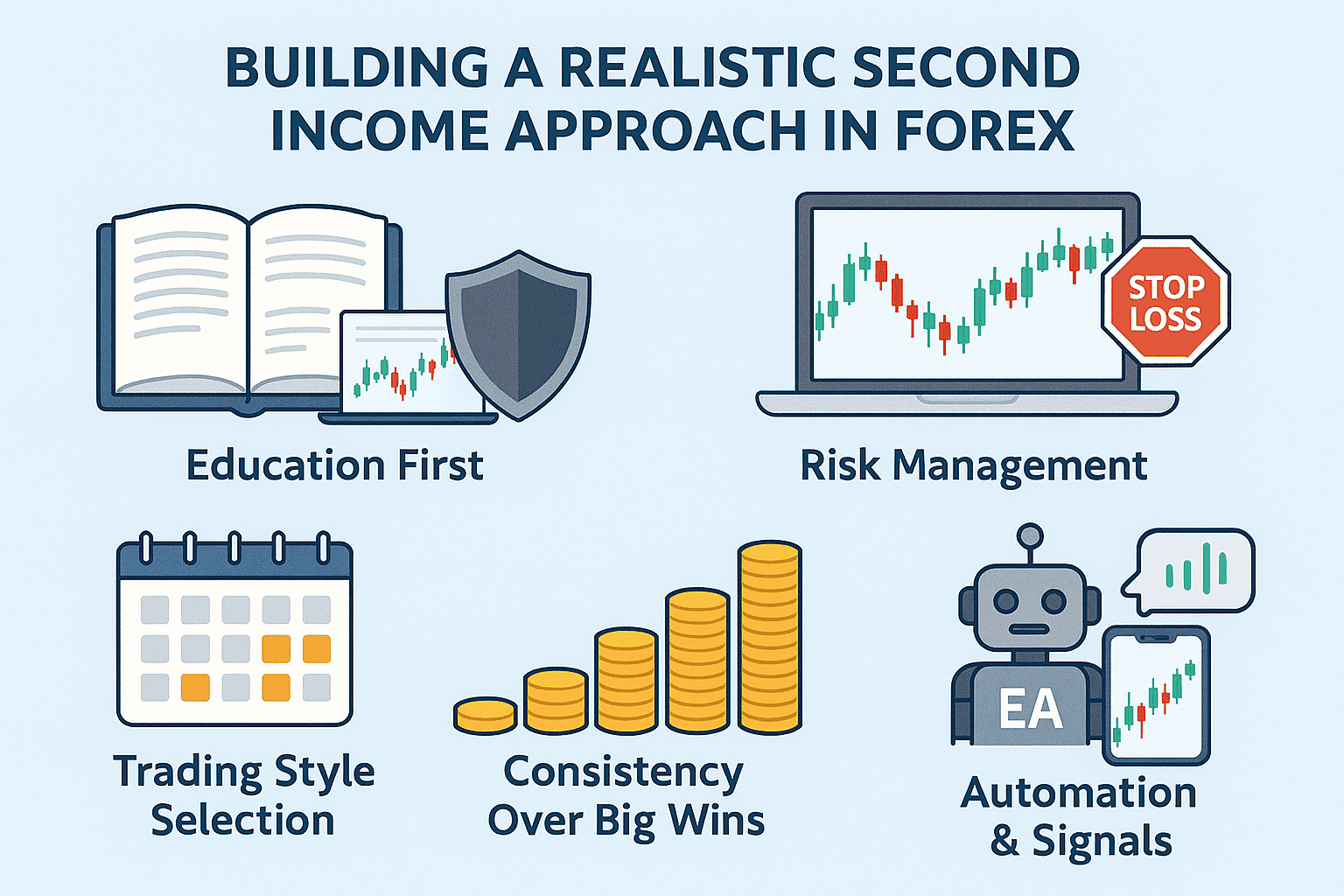
For those serious about making forex a supplementary income, a structured plan is essential:
- Education First: Understanding fundamentals, technical analysis, and trading psychology is non-negotiable. Without knowledge, losses are almost guaranteed.
- Risk Management: Using stop-loss orders, limiting leverage, and never risking more than 1–2% of trading capital per trade helps preserve long-term viability.
- Trading Style Selection: Side-income traders often benefit from swing trading or position trading, which rely on longer timeframes and reduce the need for constant monitoring.
- Consistency Over Big Wins: Small, steady profits compounded over time are more realistic than chasing jackpot trades.
- Automation & Signals: Tools like expert advisors (EAs) or reliable signal services can help busy traders manage opportunities without being glued to screens.
By aligning strategies with available time and risk tolerance, forex can move closer to becoming a sustainable second income stream.
Practical Example
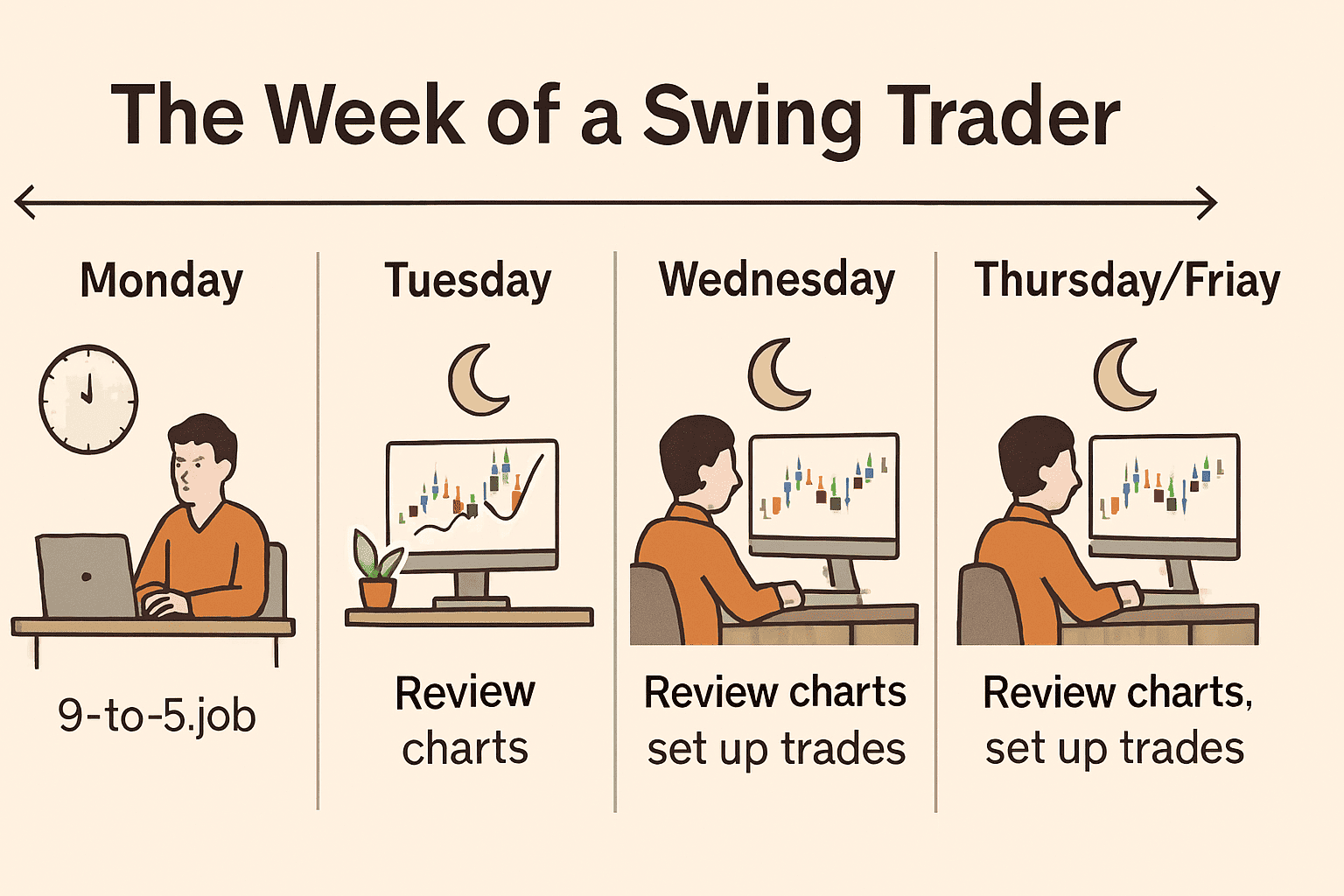
Consider someone working a 9-to-5 job who allocates evenings to reviewing charts and setting swing trades. By targeting 3–4 quality setups per week with well-defined risk limits, they avoid overtrading while keeping trading manageable alongside their career. Over time, consistent monthly profits even modest ones can contribute meaningfully to savings, investments, or lifestyle expenses.
This example highlights the importance of discipline and structure rather than chasing fast money.
Conclusion
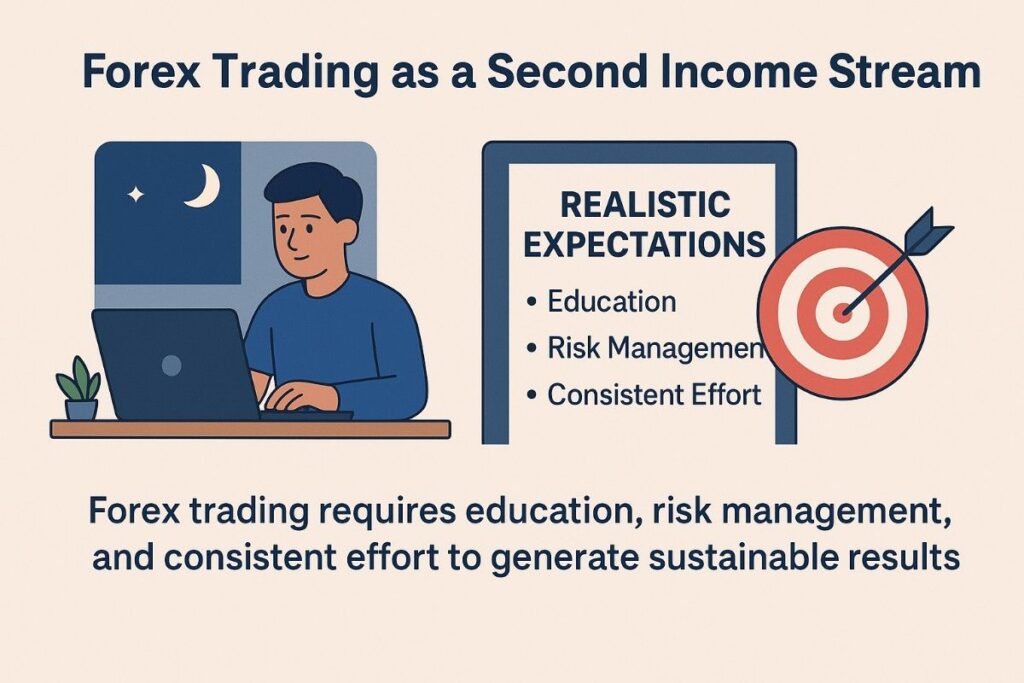
Forex trading can indeed serve as a second income stream, but only under realistic expectations and disciplined practices. It’s not a shortcut to wealth, nor is it a passive income source. Instead, it requires education, risk management, and consistent effort to generate sustainable results.
For many, the journey involves treating forex not as a side hustle for quick profits, but as a structured skillset that complements their primary income over time. By approaching it strategically, traders can avoid the pitfalls of unrealistic hopes and build forex into a valuable though challenging second income source.